
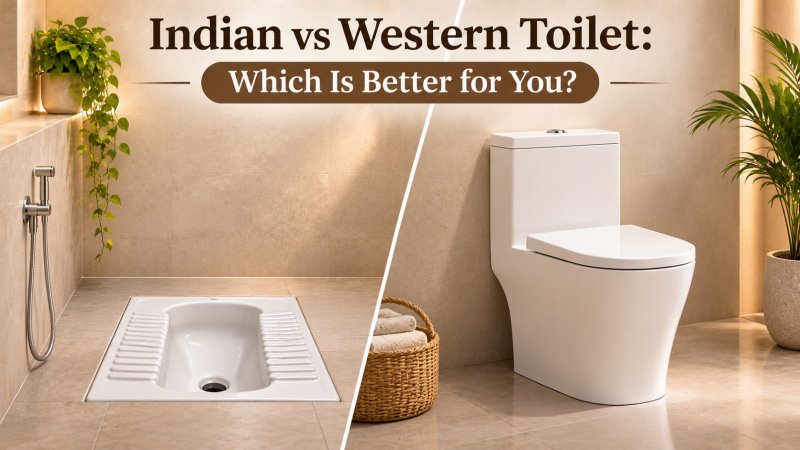
Indian vs Western Toilet: Which Is Better for You?
Here’s a bathroom debate that has split more family dinners than politics: do you squat or do you sit? In many Indian homes both toilets live under one roof, with the Indian pan for the parents and the Western commode for guests, and nobody quite admits which one they prefer. The indian vs western toilet question is part tradition, part health and part pure comfort.
I’ll keep this practical and free of dogma. In this guide I’ll compare how each works, what the research actually says, and which one suits your age, space and budget. If you’re sourcing fixtures while you read, keep our sanitaryware range open to see Western-style closets in real product form.
Indian Toilet vs Western Toilet: Which Is Better?
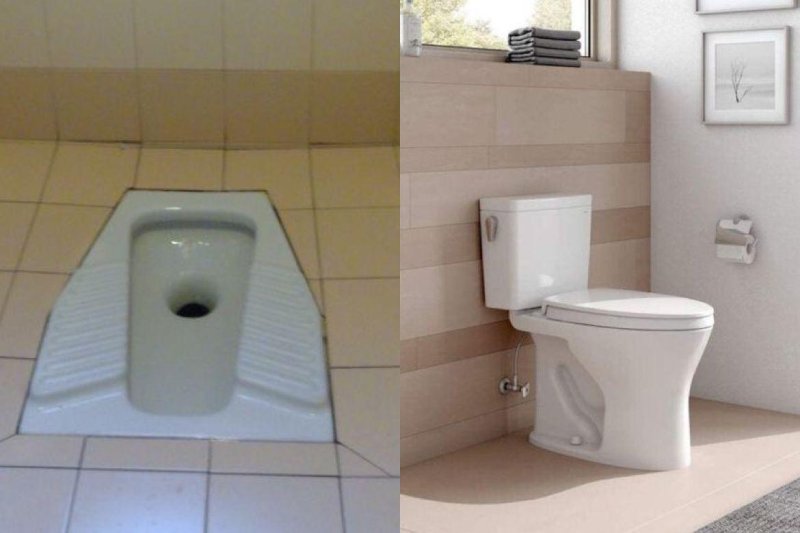
Neither is better for everyone. An Indian type WC is a floor-level squat pan, while a Western commode is a raised seat. Squatting may help bowel emptying and avoids seat contact, but it needs strong knees and good balance. Sitting is more comfortable, safer for older users and easier on the joints. So for the question indian toilet vs western toilet which is better, the answer for most healthy adults is that both work, and for elderly or mobility-limited users the Western commode wins.
Insert image comparing an Indian type WC and a Western commode here
|
Feature |
Indian type WC |
Western commode |
|
Posture |
Squatting |
Sitting |
|
Contact with fixture |
None |
Seat contact |
|
Best for |
Healthy, mobile adults |
All ages, especially elderly users |
|
Knee and hip demand |
High |
Low |
|
Installation |
Pan set into the floor |
Bolted to the floor or hung on the wall |
|
Typical cost |
Usually lower |
Usually higher |
|
Accessories |
Few |
Seats, grab bars, footstools, bidets |
What Is an Indian Type WC?
An Indian type WC is a pan set into the floor, with raised footrests on either side. You squat over it with your knees bent and your feet planted, and it’s flushed from a cistern or with a bucket and mug. Many homes use an Orissa pan, a common squat pan style with a smooth, sloped bowl and footrests, valued for easy cleaning and decent flushing with modest water.
The big design idea is simple: your body does the job a seat would otherwise do. There’s no seat, no lid and no contact with the fixture, which is why many people consider it more hygienic. It also tends to cost less than a Western closet and has fewer parts that can fail.
What Is a Western Commode?
A Western commode is the raised toilet most of the world uses: a bowl, a seat, a lid and a flush tank. You sit with your thighs supported and your feet on the floor, which feels natural for anyone raised on chairs. Modern versions come as one piece closets, two piece closets and wall hung models, and some add a slow-close seat or a bidet attachment.
The Western commode wins on comfort and accessibility. It’s kinder to people with knee pain, a stiff back or limited balance, and it’s the standard in hotels, offices and airports. A one piece closet is a popular, easy-to-clean example. The trade-off is seat contact and a few more parts to maintain, such as hinges, the seat and the cistern.
Indian Toilet Health Benefits: What the Research Says
Let’s talk about indian toilet health benefits, because this is where claims get wild. The most cited point is squatting posture. Bending the hips deeply may straighten the angle between the rectum and anus, which can make emptying easier. In one small study indexed by the US National Library of Medicine, volunteers needed less time and felt less strain to reach a sense of full emptying when squatting than when sitting. You can read the abstract in the PubMed record of the squatting vs sitting study. A separate study measured a wider rectoanal angle when squatting (126 degrees) than when sitting (100 degrees).
Now the reality check. A 2025 systematic review of 20 studies found inconsistent methods and definitions of posture-related health problems, so the evidence remains inconclusive. Squatting isn’t a cure for constipation or piles, and sitting isn’t a disease risk on its own. If you have ongoing digestive trouble, a doctor’s advice beats any toilet choice. For healthy adults who sit, a small footstool under the feet raises the knees and mimics a squat, which makes the indian vs western toilet debate a little less dramatic. This article is general information, not medical advice.
Western Toilet Benefits: Comfort, Safety and Flexibility
The western toilet benefits are mostly about comfort, safety and adaptability:
-
Easier on the knees, hips and lower back
-
Safer for older users, pregnant women and people recovering from surgery
-
Works with grab bars, raised seats and other accessibility add-ons
-
Comfortable for longer sessions (phone scrolling included, sadly)
-
Familiar to guests, so there’s no learning curve
Those points explain why the Western commode keeps spreading even in regions where squatting is traditional. Comfort and accessibility matter more as people age, and a toilet you can use safely every day beats one that looks traditional on paper.
Squat vs Sitting Toilet: Small Bathrooms and Elderly Users
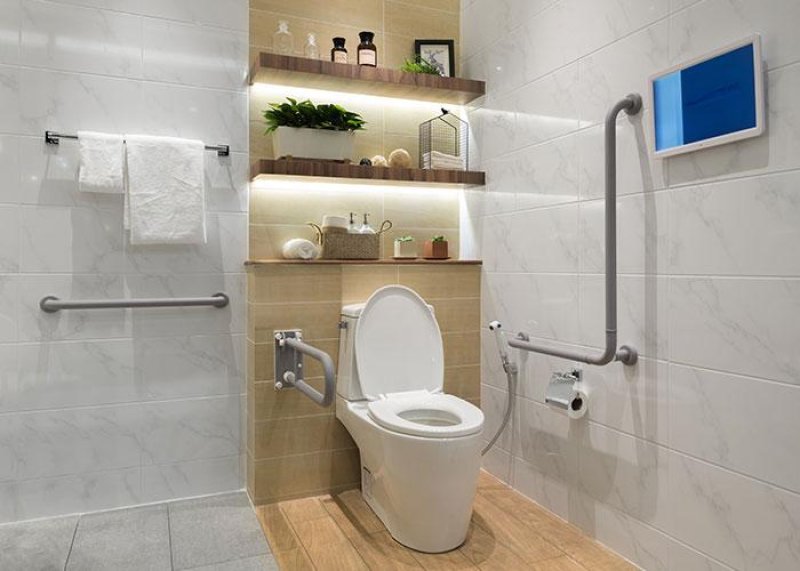
Space and age are where the squat vs sitting toilet question gets practical. For small bathroom size, an Indian pan has a smaller footprint above the floor, but it still needs room for your feet. A Western commode projects further into the room, though a compact one piece closet or a wall hung model can win that space back. Our wall hung closet range is a good example of a space-saving bathroom option when floor area is tight.
For an elderly toilet setup, the Western commode is the safer pick. Squatting demands a deep knee bend and strong thigh muscles, and standing up from a low squat can lead to falls. A raised seat, grab bars and a non-slip floor make daily life far easier. If a family includes both older and younger members, installing one of each often keeps everyone happy.
Toilet Flush, Cleaning and Cost
Toilet flush performance depends on the pan design and the cistern more than on the type. A well-designed Indian pan flushes quickly with modest water, while a poorly sloped one may need a bucket assist. Western closets use siphonic or wash-down designs, and dual flush can save water. Both are easy to clean when the glaze is smooth and the trap is clear.
Costs lean lower for Indian pans and higher for Western closets, especially wall hung or feature-rich models, though prices vary by brand and market. Installation differs too. An Indian pan sits in a recess in the floor and needs careful waterproofing, while a Western closet bolts to the floor or hangs on the wall.
Which Toilet Is Better for You?
So which should you choose? If you’re young, healthy and comfortable squatting, an Indian type WC is a practical, budget-friendly option. If you or a family member has knee, hip or balance issues, choose a Western commode. If you want the best of both, fit a Western commode with a footstool, or keep one of each in a larger home. My view is simple: pick the toilet the least capable user in the house can use safely, because bathrooms outlive trends.
FAQs
Which is better: Indian or Western toilet?
Neither is better for everyone. An Indian type WC suits healthy, mobile adults who are comfortable squatting and want a lower-cost fixture. A Western commode suits all ages and is the safer choice for older users and anyone with knee, hip or balance problems.
Is an Indian toilet better for health?
Some small studies suggest squatting reduces straining and helps bowel emptying, but the wider evidence is inconsistent. Squatting is not a proven cure for any condition. If you have ongoing digestive problems, speak to a doctor, and consider a footstool if you use a Western commode.
Which toilet is better for elderly people?
A Western commode is usually better for elderly users because it needs less knee bend and lowers the risk of falls. Adding grab bars, a raised seat and a non-slip floor makes it safer still. Many families install one for older members and keep an Indian pan for others.
What is an Orissa pan?
An Orissa pan is a common style of Indian type WC, with a sloped bowl and footrests. People choose it for easy cleaning and reliable flushing with modest water. It’s a squat pan, so it suits users who are comfortable squatting.
Which toilet is better for a small bathroom?
Both can fit, but the best option depends on the layout. An Indian pan has a smaller footprint above the floor, while a compact one piece or wall hung Western closet can save space and make cleaning easier. Measure the available depth and width before choosing.
Conclusion
To sum up, an Indian type WC offers a squatting posture, no seat contact and a lower cost, while a Western commode offers comfort, accessibility and flexibility. Research suggests squatting may ease bowel emptying, but the evidence is mixed. Elderly users are generally safer with a Western commode, and small bathroom size can be handled with compact or wall hung closets. The indian vs western toilet decision comes down to your health, your family and your space.
If you’re planning a bathroom and want guidance on closets and other sanitaryware, we’d love to help. Share your requirements on our contact page and the Panthera Exim team will respond with options, specifications and pricing.
